“This was a difficult year for Ukraine. Which made it all the more important to help Ukrainian media workers understand the increased significance of their work and responsibility for truthfulness and timeliness of their publications.
For many years, the Commission on Journalistic Ethics has been promoting the idea of self-regulation in Ukraine, actively using all available methods to improve the content quality in Ukrainian media and protect audiences’ rights. This is even more relevant during the war.
Today, we are actively working not only with journalists and newsrooms, but also with schools of journalism, as they are the source of the new generation that will work in our media to contribute to Ukraine’s victory and recovery. In this report, you will find out what methods and formats we use to accomplish our goals. But we are aware that a lot still needs to be done.”
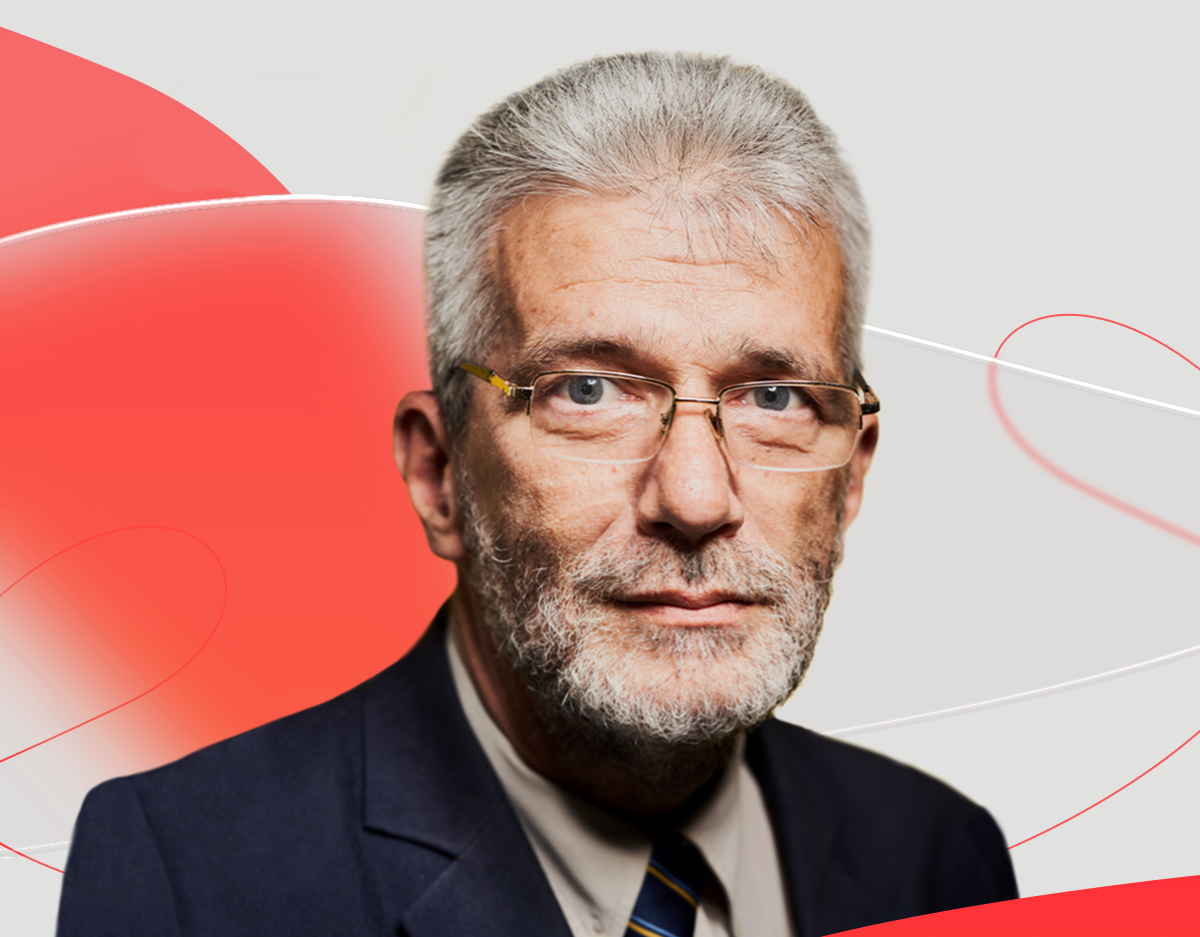
Andrii Kulykov, head of the Commission on Journalistic Ethics.
Decision and Recommendations of the Commission
In 2024, the Commission received 111 complaints about journalistic content and published 34 decisions.
In addition, during the year, the Commission drafted 11 statements and recommendations regarding compliance with ethical norms and standards of the journalistic profession. Here are some of them:
- Recommendations of the Commission on Journalistic Ethics Regarding Coverage of Events Related to the Military Operations of the Armed Forces of Ukraine on the Territory of the Russian Federation.
- Recommendations of the Commission on Journalistic Ethics Regarding Publication of Photographs of People Killed Due to Russia’s Aggression.
- Recommendations of the Commission on Journalistic Ethics Regarding Coverage of Ukrainian Military Funerals.
During the year, we received requests from journalists regarding pre-publication examination of materials. The Commission noted an increased interest from newsrooms to adhere to recommendations and fix errors.
In 2024, the number of complaints that we were able to resolve through mediation increased. It has been 6 cases, a double increase from 3 cases in 2023. This is a process in which the complainant and the media have an opportunity to explain their opinions, understand and admit their mistakes and the other party’s motives, and prevent emergence of such conflicts in the future, with the help of the Commission on Journalistic Ethics.
This is yet another proof that the Commission strives to establish a dialogue between the media and the audience, improve the quality of publications, and prevent violations, rather than increase the number of complaints or public condemnation.
Here are some mediation cases from 2024:
- The Commission on Journalistic Ethics Helped Suspilne Mykolaiv to Improve Content via Mediation.
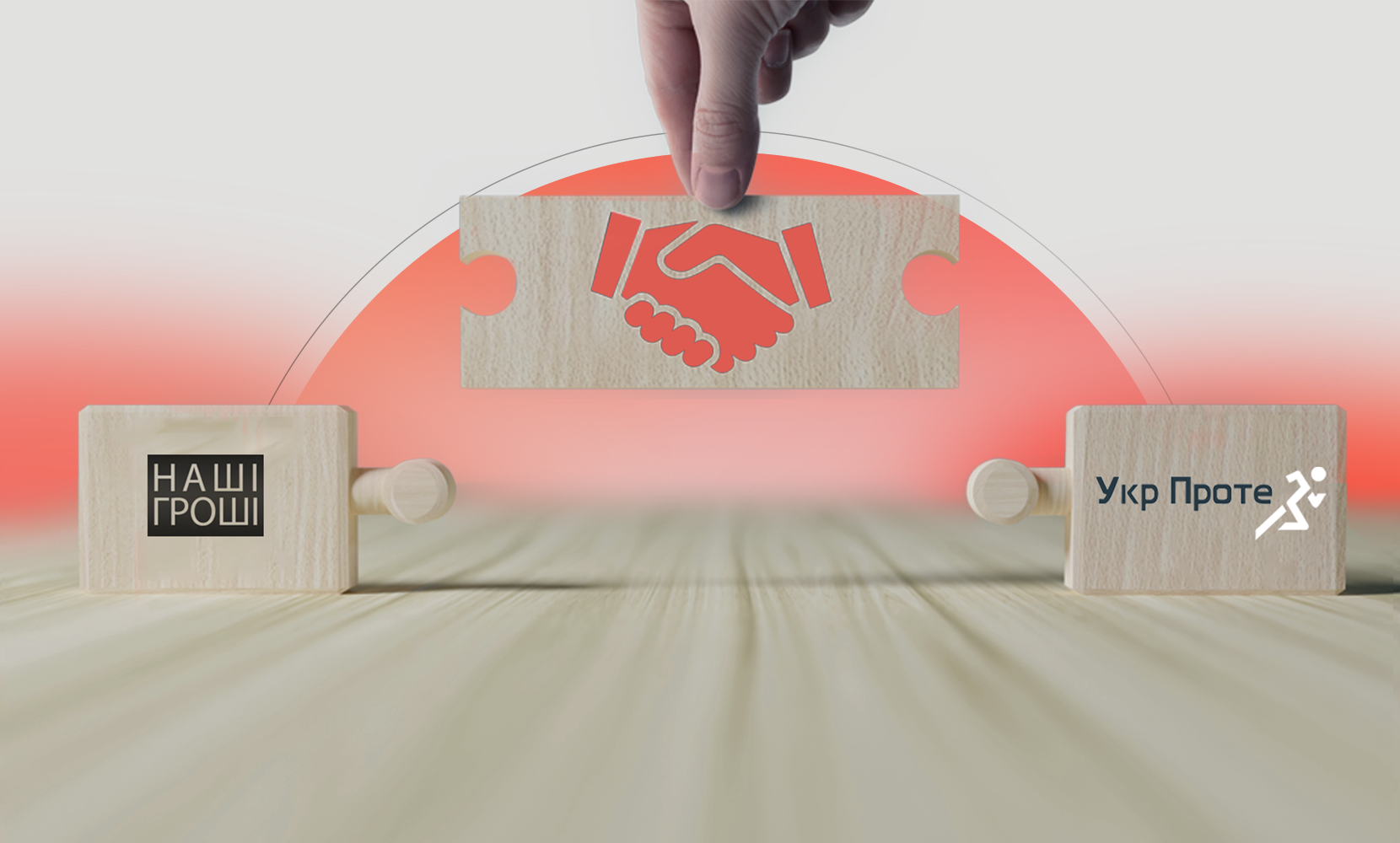
- The Commission on Journalistic Ethics Helped TOV Ukrprotez and Online Outlet Nashi Hroshi Reach an Understandin.
- Mediation: Commission on Journalistic Ethics Helps Jehovah’s Witnesses Center Find an Understanding with Espresso.West.
Education and Training
Another important vector for the Commission is education through informative events. In 2024, we held over 20 lectures and discussions for journalists, both online and on-site. The total number of views of our videos on Facebook and YouTube exceeds 84,000.
We invited professional media workers to share their experience: Yaroslav Yurchyshyn (Committee of the Verkhovna Rada of Ukraine on Freedom of Speech), Yuliia Bankova (Liga.net), Oksana Romaniuk (Institute of Mass Information), Stas Kozliuk (freelance reporter, Pulitzer Prize winner), Anna Babinets (Slidstvo.Info), Serhii Cherevatyi (UKRINFORM), Viktoriia Yermolaieva (Hromadske Radio), Oleksandr Kharchenko (Gazeta.ua, KRAIINA magazine), Yevhen Streltsov (Nakypilo radio).
Recordings of all online events are available on the Commission’s YouTube channel.
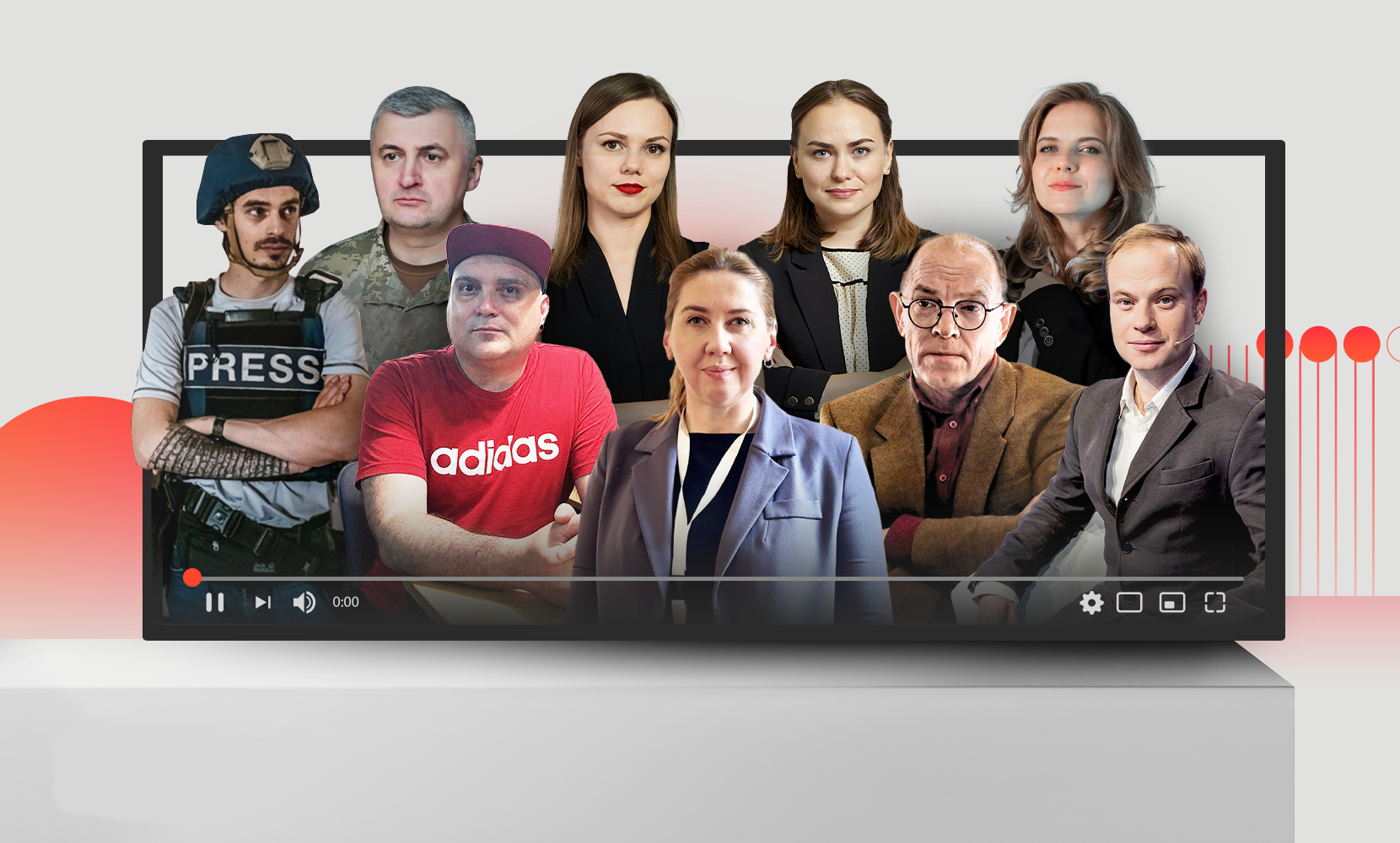
The Commission continued the creation of explanatory videos on journalistic standards. Ethical dilemmas are analyzed with the help of media manager and radio journalist, board member of Suspilne and the Commission, Dmytro Khorkin. Our series of video explainers will be useful for journalists, students and professors of media departments, and information consumers.
- Media Self-Regulation in Ukraine: What Makes It Beneficial for Everyone?
- Why Is Journalism Not a Tool for Personal and Political Goals?
- Freedom of Speech and Expression Is an Integral Part of Journalists’ Activities;
- Properly Covering Judicial Proceedings under the Ethics Code of the Ukrainian Journalist.
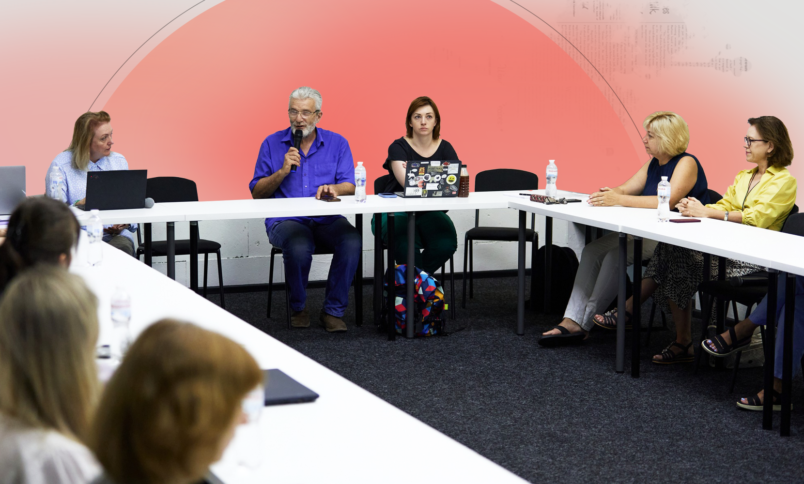
In July, we held an expert discussion “Self-Regulation in the Media: What Needs to Be Done to Make It Valuable for the Media?”. We discussed what role editors and journalists can play in the process of self-regulation, how to make the media more interested in adherence to ethical standards, how the self-regulation process can be improved so that journalists would see its real value, and what training programs or workshops can help journalists better understand and comply with ethics standards.
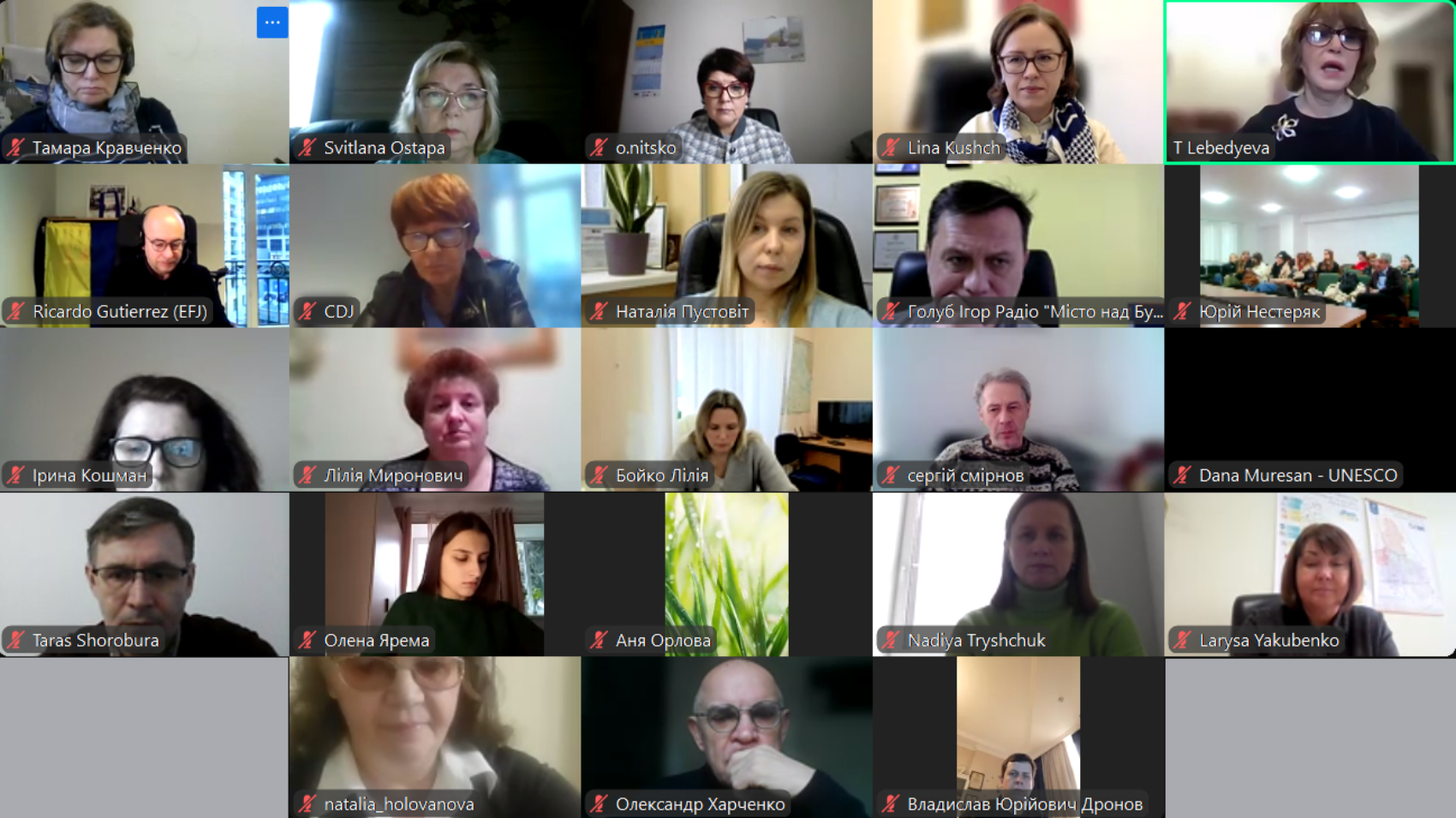
In December, we organized an international online conference Point of Intersection: Interaction of Self-Regulation and Co-Regulation of the Media in Ukraine.
For two hours, over 90 participants discussed the development of interaction between self-regulation and co-regulation agencies in Ukraine, also touching upon the experience of self-regulation in French- and German-language regions of Belgium. In addition, it provided an opportunity to listen to experts of co-regulation working groups in the sectors of audiovisual, audio, online, and print media.
“It is essential that the Commission and other media organizations participate in this conference. This proves that the industry is not just alive, it is actually seeking and finding ways to function and interact better. This emphasizes that we can work together,” said Andrii Kulykov, event moderator head of the Commission on Journalistic Ethics.
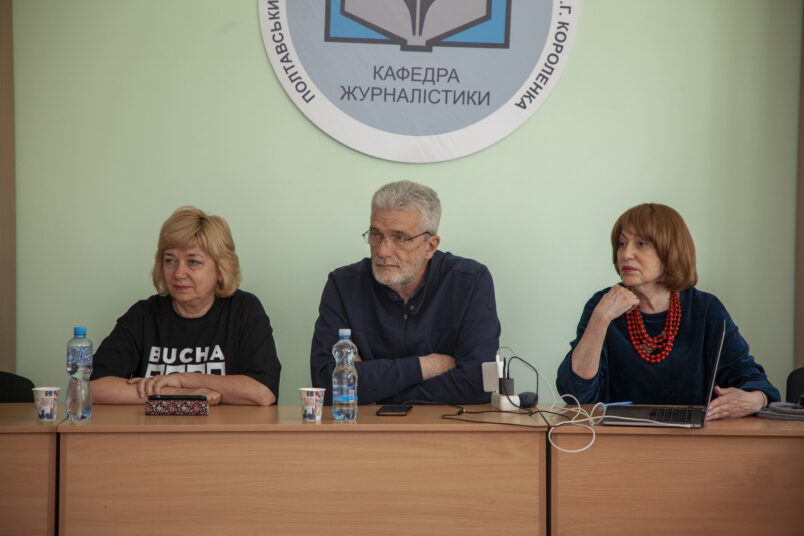
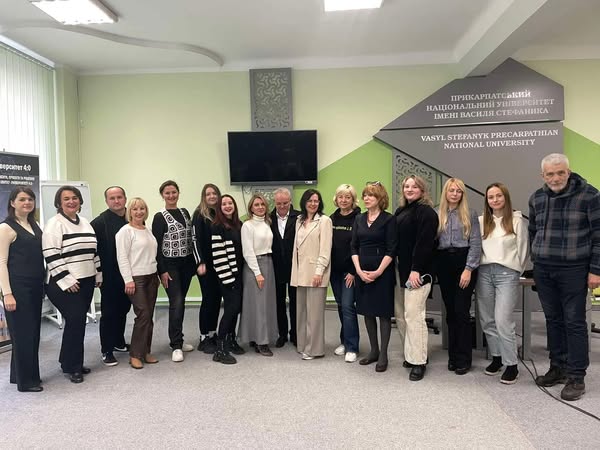
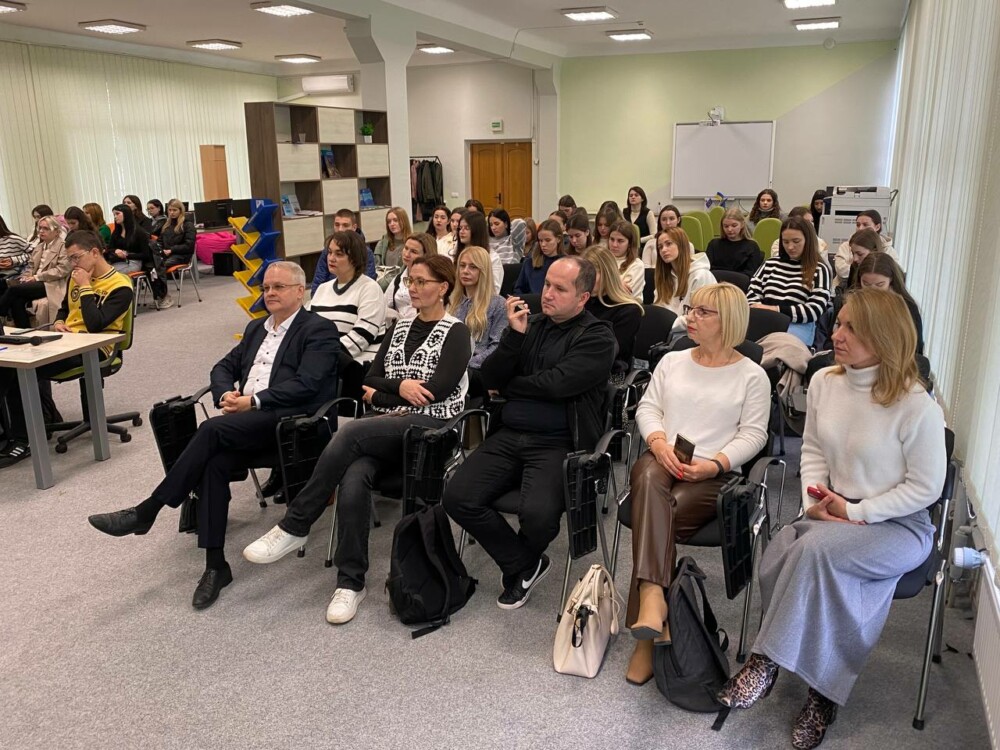
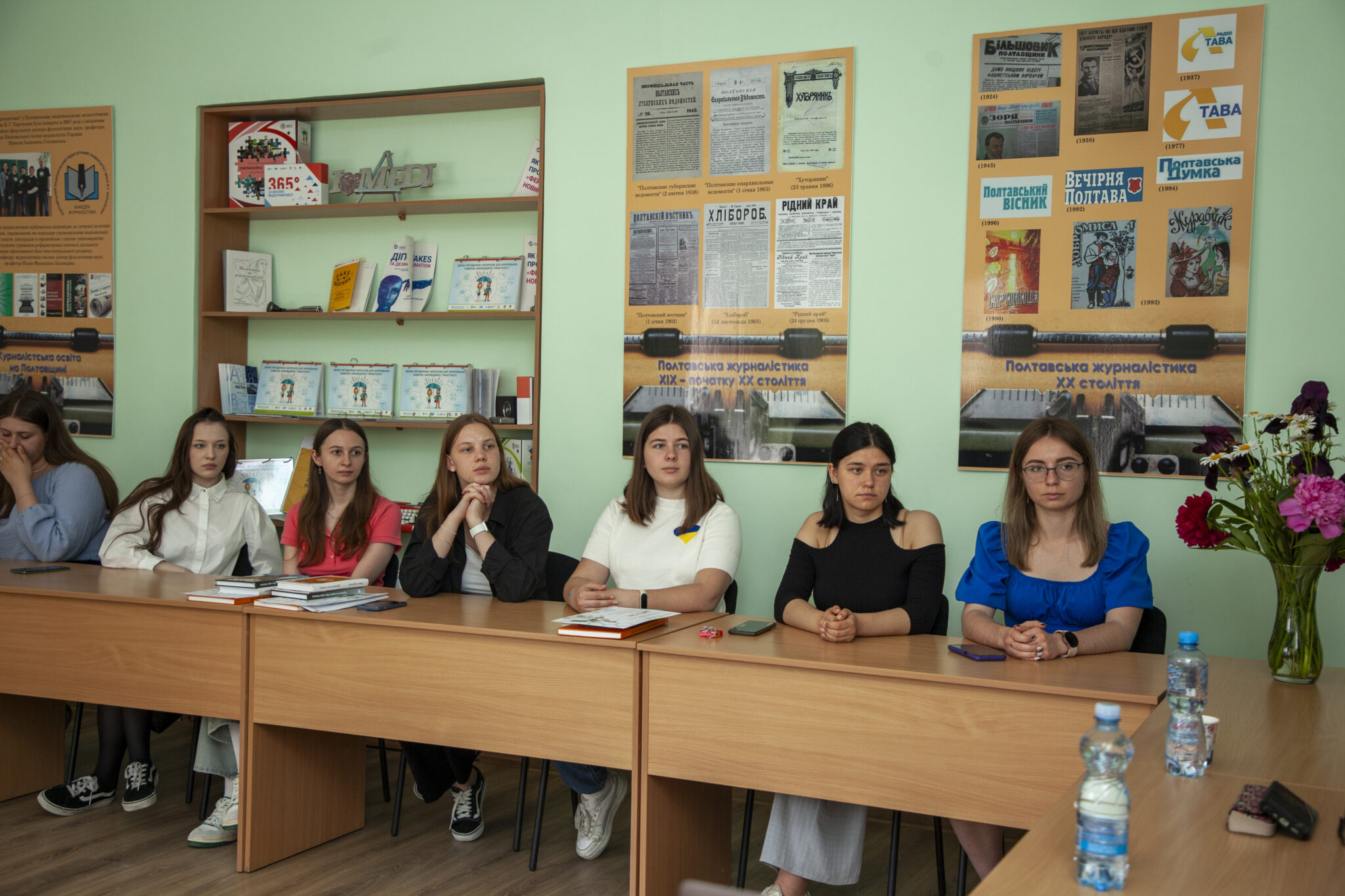
In addition, in 2024, Commission members Andrii Kulykov, Svitlana Ostapa, and Tetiana Lebedieva held two visiting lectures in the regions. They aimed to understand the situation in the regions better, to promote the idea of self-regulation in the media and to create platforms for communication between novices in the field of journalism and their more experienced colleagues.
The lecture in Ivano-Frankivsk was about Ukrainian journalism during wartime, for students and professors of Vasyl Stefanyk Precarpathian National University. The one in Poltava was titled Regional Journalism: Traditions, Values, Nature in Wartime — for students and professors of the journalism department at Volodymyr Korolenko Poltava National Pedagogical University. Both events were attended not just by students, but also by journalists and local media managers.
“The audience was active and open to conversation. They asked about violations of journalistic standards during the war, how to cover the deaths of civilians during shelling, whether our attitude towards foreign media has changed. I saw a sincere interest in the topic of the meeting. I am delighted that such a generation is growing up among us,” shared Svitlana Ostapa.
Rules and Policies for Newsrooms
The Commission continues open communication with journalists and newsrooms, explaining that their position and readiness to take responsibility for the quality of their content, for adherence to standards, accuracy of information, and fixing errors is the most important part in the process of self-regulation. In addition, we help create the necessary tools for this. These include editorial policies, audience feedback, the option to file a complaint provided for the audience.
In 2024, the Commission on Journalistic Ethics introduced a new section on its website, Responsible Media. In this section, we explain how media teams can publicly declare their responsible attitude to content, adherence to standards, fixing any identified errors, and how they can integrate the Ethics Code of the Ukrainian Journalist into their websites / media platforms.
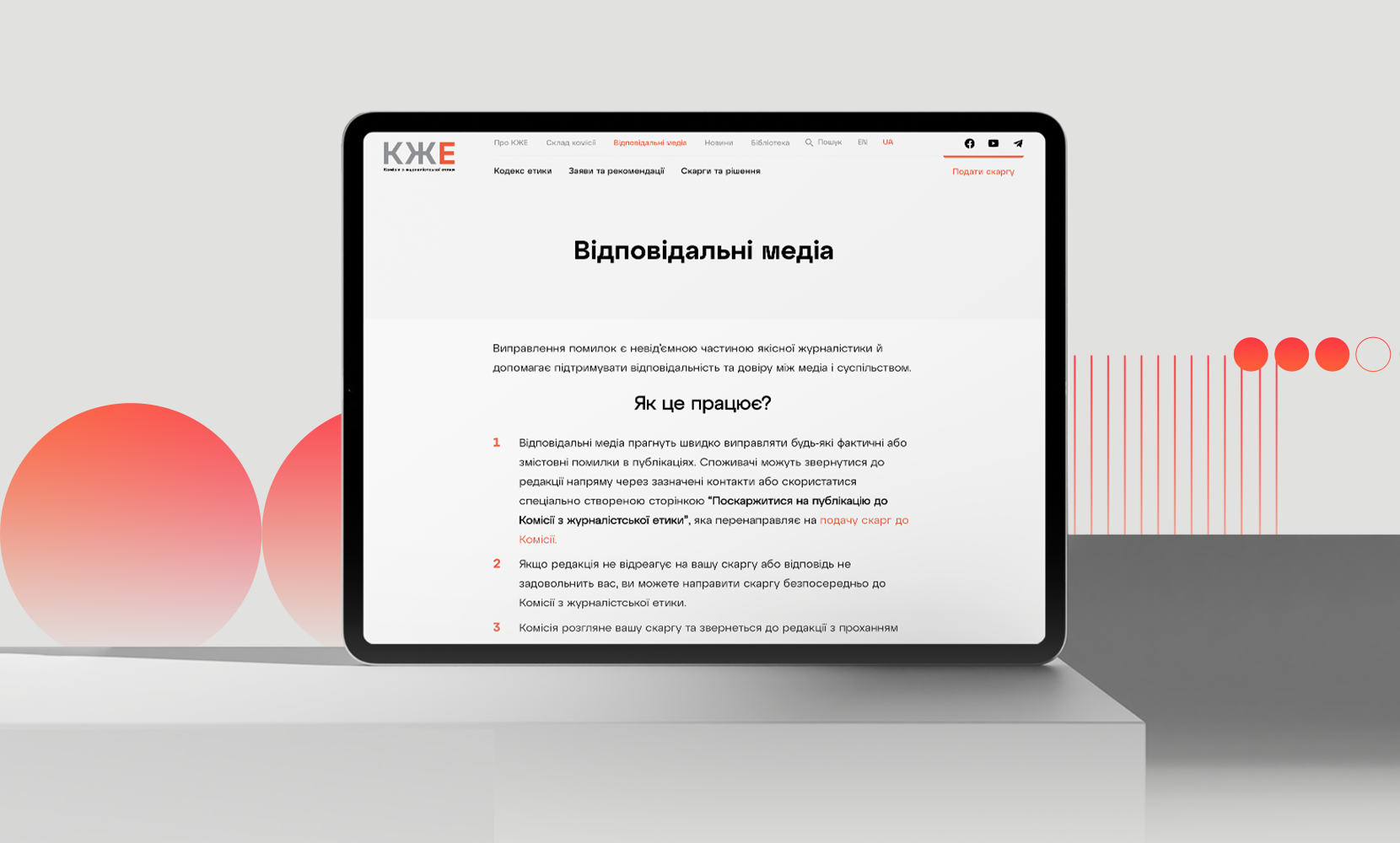
This initiative aims to ensure high standards of journalism and provide the readers with an opportunity to report mistakes or ethics violations in articles. We are thankful to the teams of Suspilne, NGL.media, Nikcenter, 20 Minutes, and Power of Truth, who have already joined the list of responsible media outlets.
This year was the first time when the Commission announced a competition for mentoring support for the development of editorial policies. By a rating vote, the Commission members selected three Ukrainian newsrooms: Rayon.in.ua, Kyiv TV Company, and Obiektyv (“Objective/Lens”) Media Group.
The selected media used the support from their mentor to develop editorial policies that reflect their practices, priorities, standards, and values. The principles of editorial policies based on the Ethics Code of the Ukrainian Journalist are an effective tool for media self-regulation.
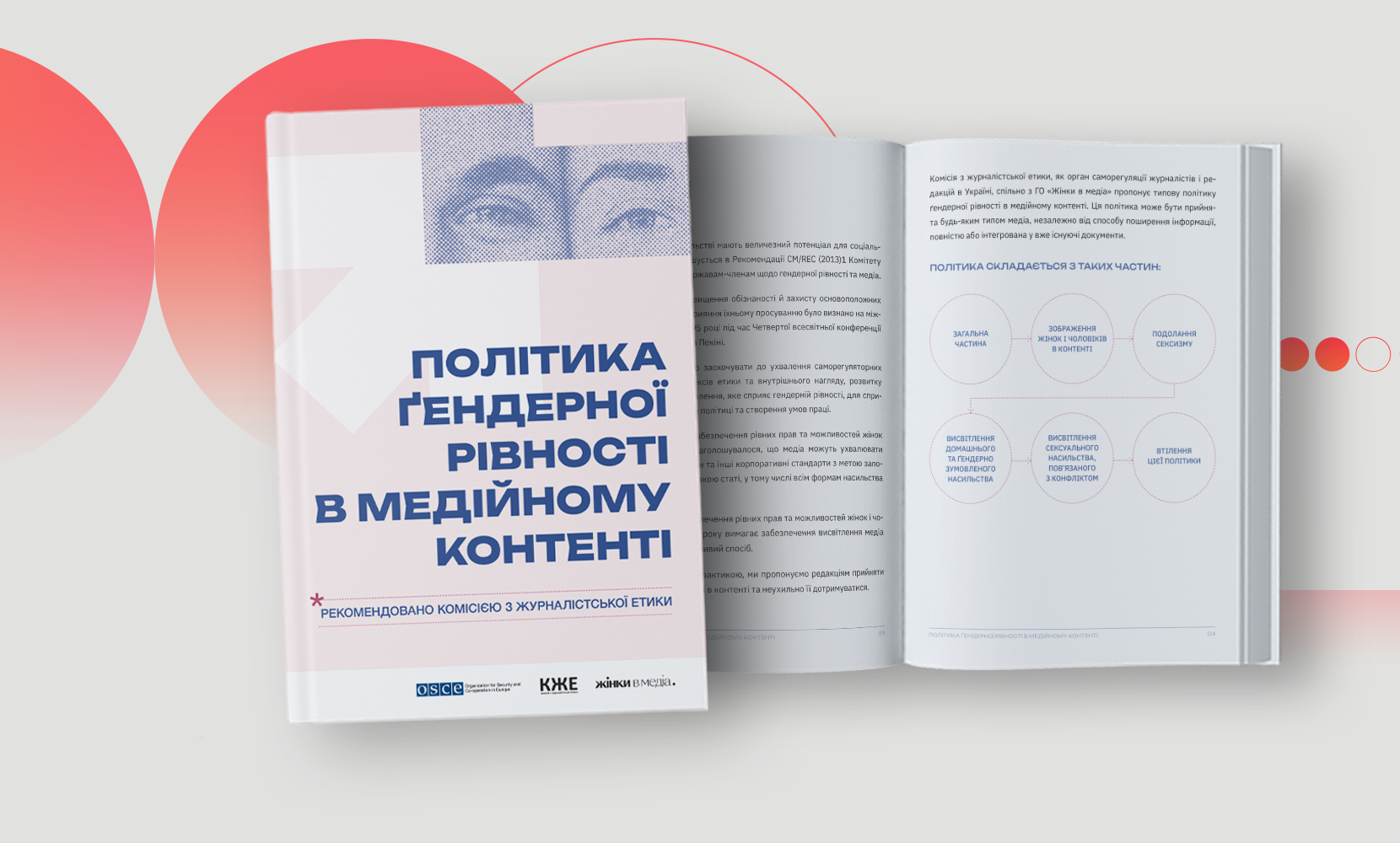
Together with Women in Media NGO, we offered a template policy on gender equality in the media content. This policy can be adopted by any media regardless of the type as a separate document or as part of existing policies. It has already been adopted by Ukrainska Pravda, Kyiv TV Company and Espreso.
Partnerships and Cooperation
At the beginning of 2024, five members of the Commission on Journalistic Ethics joined the Public Council under the Parliament Committee on Freedom of Speech through an open competition. These are Diana Dutsyk, Liza Kuzmenko, Oleksii Pohorelov, Oksana Romaniuk, and Serhii Tomilenko.
Participation in the Public Council will help the Commission in its interaction with the Committee, helping it to inform MPs about existing problems and to provide expert assessments of draft regulations in a timely manner.
To coordinate efforts on the development of co-regulation and self-regulation in the media and journalists’ work in Ukraine, the Commission on Journalistic Ethics signed a memorandum of cooperation with the National Council of Ukraine for Television and Radio Broadcasting.
“Co-regulation and self-regulation aim to protect the audience; they are evidence that the media feel responsible for the quality of their content. And we are ready to work with the Commission on Journalistic Ethics towards this goal,” said Olena Nitsko, executive secretary of the National Council of Ukraine for Television and Radio Broadcasting.
In addition, in 2024, the National Council updated its methodology for monitoring of gender issues in the media, taking into account the Commission’s recommendations.
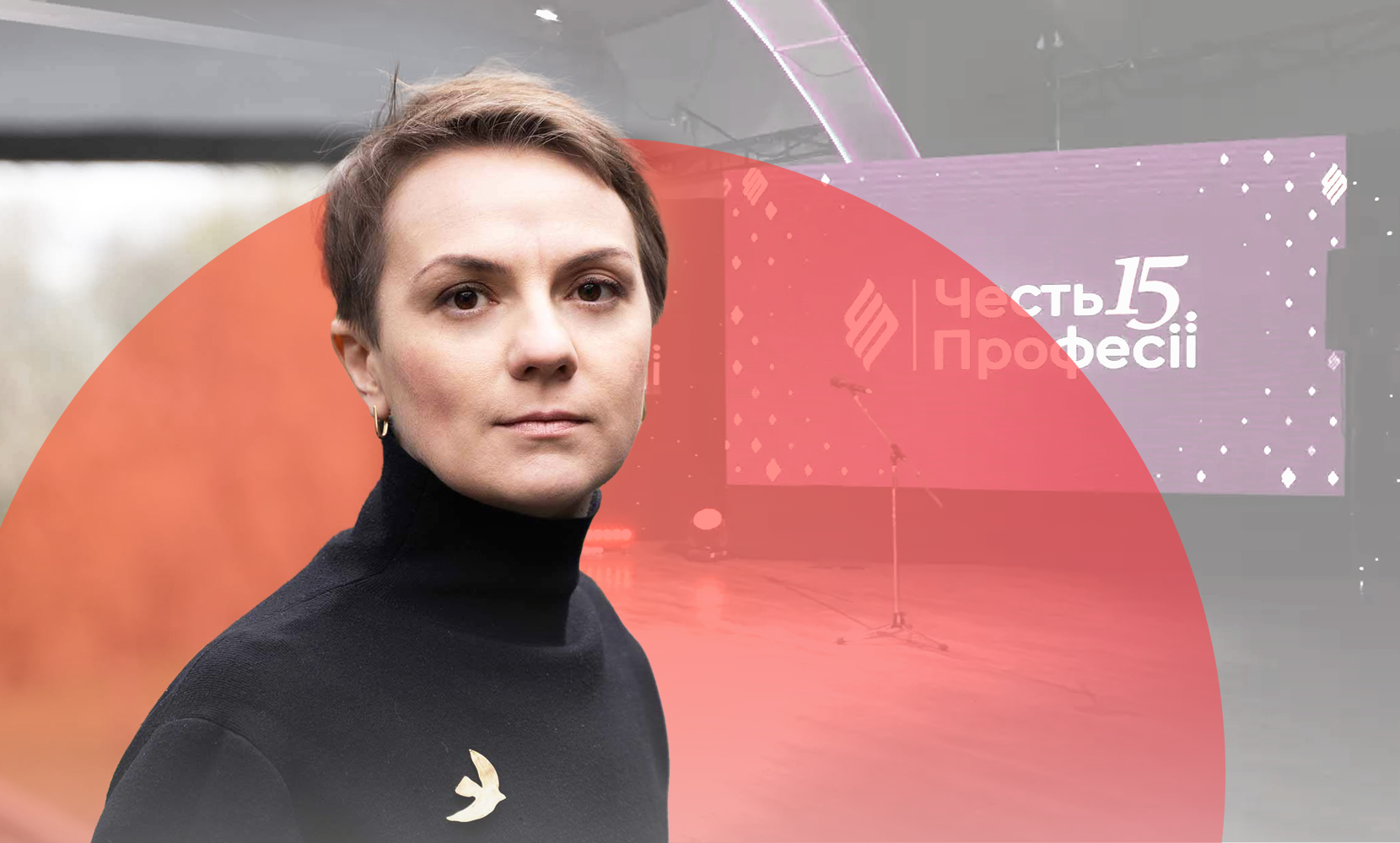
The Commission has also supported high-quality journalism as part of the Honor of the Profession contest. It was the second time that we selected and assessed materials in the special nomination for “Best Material on Adherence to Professional Standards and Journalistic Ethics During the War.”
This year, it was awarded to Nataliia Humeniuk for her material “Advice to Stop Sounds Like Mockery” for the Mediamaker outlet and the Laboratory of Public Interest Journalism.
The special nomination in the Honor of the Profession contest highlights the topic of journalists’ responsibility and adherence to standards and increases the number and quality of publications on this subject.
In October, the Donbas Media Forum was held in Kyiv. The Commission became the organizational and information partner of the event. On the second day of the event, we organized the panel “High-Precision and Long-Range: The Word at War.” We are thankful to the organizers for the invitation and for providing the Ukrainian media community with a platform for an open conversation.
Acknowledgments
We are thankful to our partners, journalists and newsrooms, students and teachers of journalism departments, applicants and complainants. We are thankful to everyone who, with their daily work, brings us closer to the establishment of ethical journalism in Ukraine.
We thank our partners who support media initiatives in Ukraine in difficult times: UNESCO and the people of Japan, International Media Support (IMS), Media Program in Ukraine by Internews, European Federation of Journalists (EFJ).
A big thanks to all the members of the Commission, who continue to work on a daily basis pro bono.
2023 for the Commission on Journalistic Ethics. Looking Back